Planning restaurant marketing without a calendar often leads to last-minute campaigns, missed opportunities, and inconsistent results. In today’s digital-first dining landscape, that approach no longer works.
Research shows that 74% of diners use social media to decide where to eat, while 88% trust online restaurant reviews as much as personal recommendations. Beyond walk-ins, 57% of diners who make reservations discover restaurants through online booking channels, including platforms like Instagram.
For restaurant marketers, operators, and F&B leaders, this means one thing: visibility, timing, and coordination directly impact revenue.
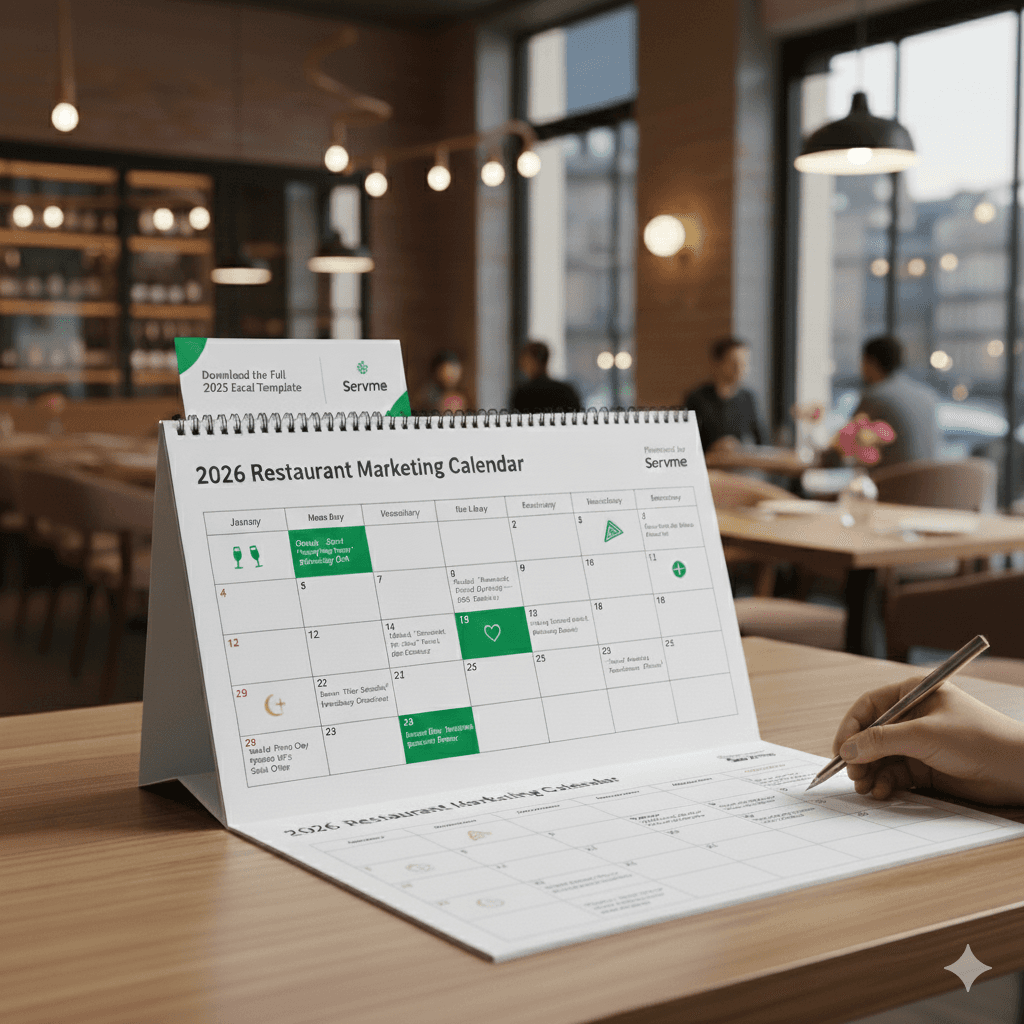
This guide brings together key 2026 restaurant marketing dates, practical campaign ideas, and a downloadable restaurant marketing calendar template to help you plan ahead, stay consistent across channels, and turn key moments into measurable bookings and sales.
What Is a Restaurant Marketing Calendar?
A restaurant marketing calendar is a strategic planning tool that maps out your promotions, campaigns, and key dates across the year.
It helps restaurants plan what to promote, when to promote it, and which channels to use to drive reservations, walk-ins, and repeat visits.
Unlike a simple social media content calendar, a restaurant marketing calendar goes beyond posts and captions. It includes seasonal campaigns, limited-time offers, loyalty initiatives, staffing considerations, and performance goals tied directly to revenue.
Ownership sits across both marketing and operations. Marketing teams plan the campaigns and messaging, while operations ensure menus, staffing, inventory, and guest experience are aligned.
When both teams collaborate on the calendar, restaurants avoid last-minute chaos and turn key dates into predictable revenue opportunities.
What’s the Importance of a Marketing Calendar for Your Restaurant?
Your marketing calendar should never be a last-minute exercise. Planning creates clear advantages for restaurants, including:
Stronger brand awareness through consistent, timely campaigns
Room to test and refine campaigns before high-impact periods
Clear performance measurement, helping you identify gaps and opportunities early
Secured seasonal revenue using teaser campaigns and online deposits
Regular website updates, which encourage frequent search engine crawling
Improved SEO performance through fresh, relevant content tied to key dates
Higher restaurant sales driven by seasonal menus, limited-time offers, and set menus
Increased online reservations with better visibility and earlier promotion
Consistent engagement across channels, including email, SMS, WhatsApp, and social media
Smarter, data-driven planning that supports staffing decisions, budgeting, and guest retention during peak periods
Together, these benefits turn your marketing calendar into a planning system that supports both revenue growth and operational efficiency.
What Should a Restaurant Marketing Calendar Include?
Your restaurant’s calendar shouldn’t be limited to social media posts and captions. Although that’s important to have.
It should include:
Marketing channels you use or plan to activate, such as email, SMS, WhatsApp for restaurants, and social media
Creative assets per channel, including designs, photography, and short-form video content
Planned photo and video shoots tied to seasonal menus or key campaigns
Campaign objectives and KPIs, defined before launch to measure success
Allocated budgets, especially for paid advertising and promotional spend
Staff alignment requirements for special menus, events, or peak periods
Upcoming and planned offers, including seasonal menus and limited-time promotions
Campaign timelines, outlining when planning, promotion, and execution should begin
Clear ownership, identifying who is responsible for assets, approvals, and execution
A complete calendar ensures marketing, operations, and front-of-house teams stay aligned, reducing last-minute stress and improving campaign results.
Top Channels to Power Your 2026 Marketing Strategy
Now it’s time to plan your 2026 restaurant marketing calendar. First choose the platforms or channels you plan to use.
In 2026, the most successful operators aren't just "posting on social media." They’re using an omnichannel approach to meet guests where they already spend their time.
You don't need to do everything at once. Many restaurants and F&B operators start with 2 channels, like email and SMS marketing or social media and WhatsApp marketing, then expand to other channels as they grow. Or even later in the year.
Here are the benefits of each channel:
Email marketing: Considered the highest platform in terms of ROI. Use email marketing for your restaurant for story-telling, updates, and re-engagement campaigns. You can also create a monthly restaurant newsletter for special announcements, upcoming campaigns, and offers.
SMS marketing: With open rates hovering around 98%, text messaging is a ‘fast-track’ communication channel. Perfect for filling last-minute table cancellations, sending 2-hour flash offers, or confirming reservations instantly. Downside: Expensive compared to email and WhatsApp.
WhatsApp Business: Cheaper and with a higher character count than SMS, WhatsApp marketing is the easiest and fastest way to communicate with guests. From confirming bookings, sending payment links, collecting online deposits, to sending digital menus, Google Maps locations, and more. You can also use your restaurant CRM to send personalized WhatsApp messages to guests to boost engagement, reservations, walk-ins, and more.
Social media: It acts as your restaurant’s virtual storefront. Facebook and Instagram remain the top platforms for restaurants. Don’t forget to add the ‘Reserve’ button on Instagram for commission-free bookings. You can also use them for online ordering. Combine still images with short video content for higher engagement.
Reservation systems: Your website and booking widget are your highest-traffic digital assets. Use them to highlight seasonal set menus or early-bird holiday bookings right when a guest is ready to commit.
How to Prioritize Your Marketing Channels
If you’re not ready to activate every channel at once, use this simple framework to decide where to start:
Limited budget or small team → Start with Email + WhatsApp for cost-effective reach and personalization
High no-show or cancellation rates → Prioritize SMS + online deposits for urgency and commitment
Tourist or high-intent traffic → Focus on Google Reserve + your website booking widget
Loyal, repeat-heavy customer base → Lean into CRM-driven email and WhatsApp campaigns
As your data, team, and confidence grow, you can layer in additional channels without overwhelming operations.
Pro Tip: Managing multiple marketing channels can quickly become complex. Using a unified platform like Servme helps restaurants sync reservations, guest data, and messaging across email, SMS, and WhatsApp so campaigns stay consistent and easy to manage.
How to Prepare for a Year’s Worth of F&B Marketing
To build a high-performing marketing calendar for your restaurant, bar, or bistro, you need a process that turns dates on a page into covers on the floor.
Here is how to structure your 2026 planning cycle:
1. Curate relevant dates
Don't clutter your restaurant marketing calendar with every "National Day" under the sun. Filter the list for moments that genuinely align with your brand and cuisine.
Research shows 81% of consumers ignore irrelevant marketing messages.
A steakhouse should go all-in on International Burger Day, while a hotel lounge might prioritize World Cocktail Day and regional holidays like UAE National Day.
2. Define your offers
Once you have your dates, decide on the "hook." Research shows strategic, limited-time offers sent via SMS can achieve 30% higher conversion rates compared to other channels.
Are you launching a seasonal spring menu, a limited-time SMS discount, or a high-ticket set menu for Valentine’s Day?
Determining the offer early ensures your kitchen and floor teams are aligned before the first guest walks in.
3. Adopt a 90-day planning window
While your marketing calendar covers the full year, you should execute in 60- to 90-day "sprints."
This allows you to stay ahead of major holidays while giving you the flexibility to adjust your strategy based on which campaigns are driving the most revenue.
4. Activate multi-channel bookings
Don’t wait for walk-ins. Start advertising your major 2026 dates on social media and third-party booking platforms at least 4 weeks in advance.
Use "Book Now" buttons on Google Reserve, your website, and social media to convert digital interest into bookings.
5. Personalize with CRM insights
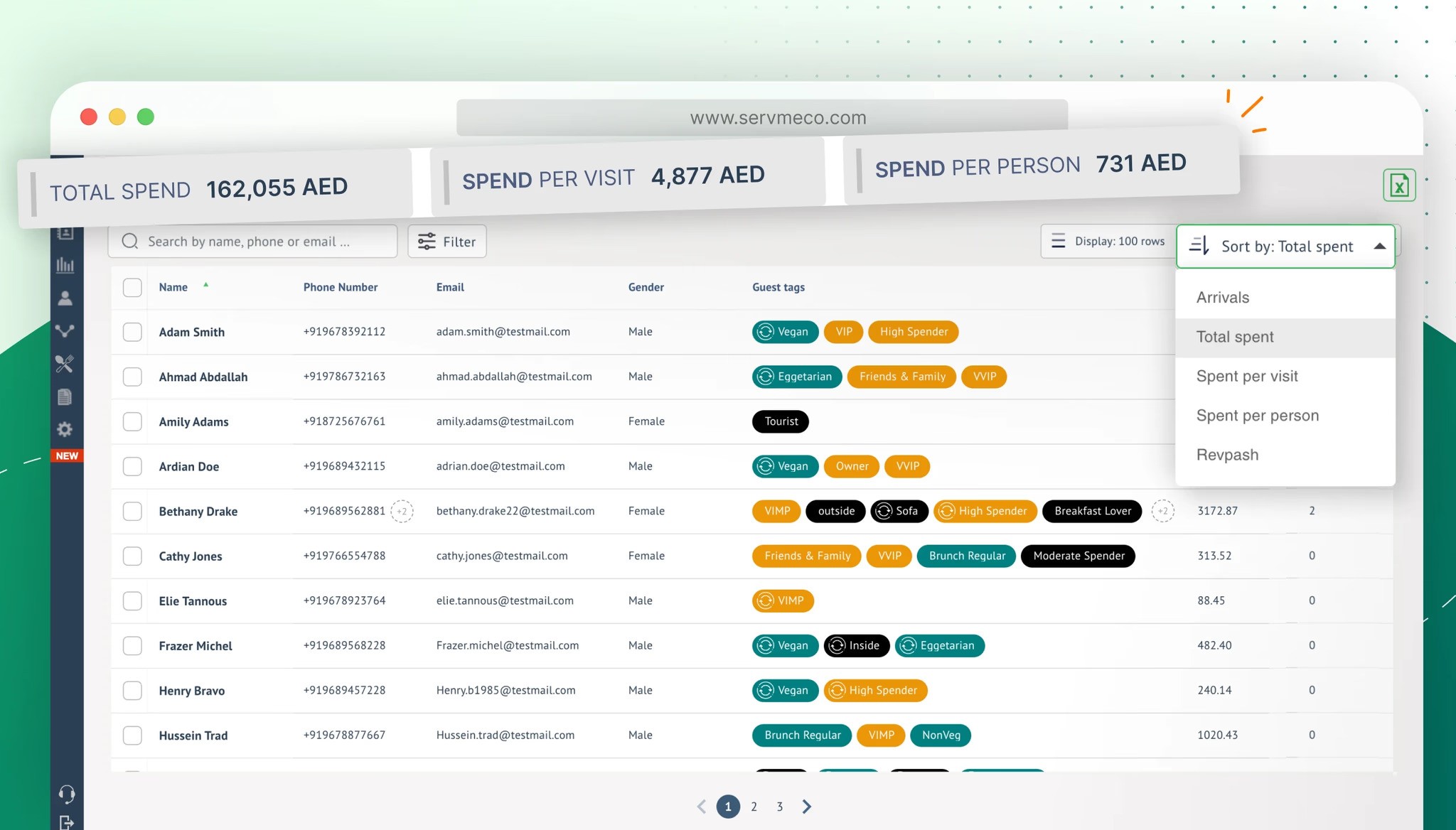
Segment your audience with Servme’s F&B CRM to build your personalized messaging strategy and marketing campaigns.
With a robust CRM, you can increase your ROI by over 200% and conversions by 300%. Not to mention, 71% of consumers expect personalized interactions with brands. Roughly 76% say they’re frustrated “when this doesn’t happen.”
You can send an exclusive WhatsApp "Early Bird" invite to your ‘Top Spenders,’ or a "We Miss You" email to guests who haven’t visited in 60 days.
6. Align with internal strategy
Ensure every promotion is linked to your broader restaurant marketing strategy.
This includes updating your website’s landing pages, training staff on the "upsell" for seasonal specials, and ensuring your internal links point back to your booking widget to avoid third-party commissions.
7. Inform and train staff early
Don’t forget to inform staff of special offers, menus, and plans. This is critical so they can inform walk-ins and cater to incoming reservations. It will also help them handle waitlist guests easily.
8. Match offers to platforms
Be strategic with your channels. Use email newsletters to unveil new menu launches, SMS for urgent, limited-time "Flash Deals," and WhatsApp Marketing for high-touch, personal service for your regulars.
You can also use restaurant email campaigns for re-engagement and inviting guests to events or special days based on previous behavior.
9. Consider ‘Staycation’ packages (for hotels)
If you operate in the hospitality or hotel sector, your F&B marketing calendar should include "Staycation" packages.
Bundle a holiday set menu with a room night to increase the guest’s total lifetime value and capture a portion of local tourism. This can also prompt hotel guests to visit the hotel’s dining concepts instead of going out.
10. Set your KPIs
You cannot manage what you do not measure. Before the year begins, determine your KPIs.
Are you targeting more email sign-ups, higher table turnover during peak days, or a 15% increase in repeat visits?
Beyond marketing metrics, your restaurant reservation system plays a key role in performance tracking. With Servme, you can see exactly how many bookings come from your website, Instagram, Reserve with Google, or other booking channels.
To make your marketing calendar actionable, tie each KPI to a clear business objective:
Awareness & Discovery: Website visits, Google Business Profile actions, email open rates
Revenue & Bookings: Number of covers, average spend per guest, deposits collected, booking source
Retention & Loyalty: Repeat visit rate, CRM reactivation campaigns, loyalty redemptions
Mapping metrics to outcomes helps you understand not just what performed well, but why it worked. It also allows you to double down on high-performing campaigns and cut spend on initiatives that don’t contribute to revenue.
Restaurant Marketing Calendar: Key Dates for 2026
Before applying every date listed below, use this calendar selectively. Restaurants should prioritize marketing moments based on their primary customer base, cuisine type, and location, not geography alone.
A neighborhood café may benefit more from food-specific international days. Meanwhile, a fine-dining restaurant or hotel venue should focus on high-intent holidays, group dining occasions, and seasonal travel periods.
Use this calendar as a framework and focus only on the dates that make sense for your audience.
Section 1: Global holidays & regional dates & milestones
These are the heavy hitters. These dates drive the highest volume of reservations and walk-ins. They also require advanced planning for set menus and staffing.
Date | Event | Region/Type |
1 January | New Year’s Day | Global |
14 February | Valentine’s Day | Global |
17 February | Ramadan (month) | Islamic, Middle East, GCC, Global |
22 February | Saudi Founding Day | Saudi Arabia |
17 March | St. Patrick’s Day | Global |
18 – 20 March | Eid Al Fitr | Islamic, Global |
21 March | Mother’s Day | Global |
10 May | Mother’s Day | USA |
25 May | Memorial Day | USA |
27 – 30 May | Eid Al Adha | Islamic, Global |
21 June | Father’s Day | US/Global |
4 July | Independence Day | USA |
23 September | National Day | Saudi Arabia |
31 October | Halloween | Global |
18 November | National Day | Oman |
26 November | Thanksgiving | US/Canada |
1 December | National Day | Kuwait |
2 December | National Day | UAE |
16 December | National Day | Bahrain |
18 December | National Day | Qatar |
25 December | Christmas | Global |
31 December | New Year’s Eve | Global |
Section 2: National & International Food Days
These dates are perfect for "micro-campaigns." Use them to trigger SMS offers, WhatsApp broadcast lists, or social media specials.
Date | Event | Why It Matters | |
17 January | World Pizza Day | Huge for delivery and casual dining. | |
30 January | National Croissant Day | Perfect for bakeries, and restaurants with and breakfast spots. | |
9 February | National Pizza Day (US) | A second chance for pizza promos. Mainly in the US. | |
22 February | National Margarita Day | High-margin cocktail opportunity. | |
24 March | National Cocktail Day | Useful for bars and restaurants that offer wines | |
12 April | Grilled Cheese Day | Great for comfort food specials. | |
13 May | International Hummus Day | A staple for Middle Eastern & Levantine menus. | |
28 May | International Burger Day | One of the biggest food days of the year. Perfect for bistros that offer sandwiches and sliders. | |
12 June | International Falafel Day | Perfect for healthy/vegan-focused promos. Perfect for Middle Eastern/Levantine cuisines | |
6 July | National Fried Chicken Day | Offers high social media engagement potential. Consider if you offer fried foods or add a twist to fried dishes. | |
5 August | National Oyster Day | Great for upscale fine-dining seafood promo. | |
1 October | International Coffee Day | Great to drive morning traffic and loyalty sign-ups. Opportunity for breakfast or brunch menus or packages. | |
4 October | National Taco Day | Ideal for "Taco Tuesday" extensions and for Mexican cuisine locations. | |
25 October | World Pasta Day | A must-celebrate for Italian concepts. Add a twist or special offer to your pasta dishes. | |
8 December | National Brownie Day | Perfect for dessert offers and upsells. | |
15 December | International Tea Day | Afternoon tea or café-specific traffic. An opportunity for post-meal upsells or offering. |
Grab your 2026 restaurant marketing calendar.
How to Use This 2026 Restaurant Marketing Calendar
Your marketing calendar is only as powerful as the planning and data behind it.
Move beyond the generic ‘Happy National Pizza Day’ and similar posts and focus on driving revenue in 2026 with this framework.
Adapt to your brand voice: Use this calendar as a baseline, not a rulebook. A fine-dining spot might celebrate World Wine Day with a sommelier-led tasting, while a casual eatery might run a "Buy One, Get One" SMS blast.
Sync with your tech stack: Don't let your marketing live in a vacuum. Tie every campaign to your reservation and table management system to track exactly how many covers a specific email or WhatsApp message generated. This also helps you reduce crowding, ensure seamless experiences, and enhance overall front-of-house operations and reduce bottlenecks.
Personalize experiences with CRM insights: Instead of "blasting" your entire list, use guest data, specifically the guest tags. If your CRM shows a group of "Weekend Brunchers," send them your Spring Brunch launch teaser, not your weekday dinner special.
Leverage first-party data: In 2026, owning your data is everything. Use tools like Servme to capture guest preferences, add auto-tags and guest tags, like ‘Vegan,’ ‘VIP,’ ‘Valentine’s Day,’ ‘Frequent Cancellation,’ and others to ensure your calendar hits the right inbox every time.
Improve conversions with fewer clicks: Ensure every campaign link leads directly to your reservation widget or POS-integrated offer page. The fewer clicks between a guest seeing an offer and booking a table, the higher your conversion rate.
Marketing Calendar Mistakes to Avoid
Building a restaurant marketing calendar is a great first step, but execution is where the revenue is won or lost.
Avoid these common pitfalls to ensure your efforts translate to milestones, revenues, and profits.
Running campaigns too late
This is by far the biggest pitfall marketers and operators alike fall into. And it’s usually because they don’t have a plan. While a calendar can fix this, it’s starting the campaign that matters.
Running your campaigns last-minute means losing on potential customers who can’t fit you in their schedule.
For example, if you’re announcing Valentine’s Day packages in mid-January, you’ve already lost the prime bookings to more organized competitors.
Further reading: 6 Valentine's Day Promotion Ideas for Your Restaurant
Relying only on major holidays
If you only show up for New Year and Valentine’s Day, you’re competing in the noisiest market. Use your calendar to create special "owned events," like monthly tasting menus, to drive traffic during typically slow shifts.
That said, combine general busy events with special offers to increase group bookings and increase footfall.
Copy-pasting offers across channels
Each channel serves a different purpose. What works on Instagram’s visual feed won’t perform the same way on SMS, which thrives on urgency. Tailor your message, format, and call-to-action to match each platform.
Ignoring guest segmentation
Sending an email or SMS blast to your entire database with the same message leads to high unsubscribe rates.
Use your CRM to differentiate between "Happy Hour Regulars" and "High-Spenders." Tailor your offerings, messaging, and announcements to drive higher ROI from your marketing efforts.
Further reading: How to Create Personalization with Restaurant CRM Software [Checklist]
Overlooking past performance
Data is your best consultant. If you’ve run seasonal campaigns in the past, consider the data generated.
Use your social media and restaurant analytics to identify which campaigns increased walk-ins and reservations, versus those that didn’t. If you offer online ordering, consider the data from those platforms as well.
However, if these were rush campaigns, then consider starting and measuring early to have adequate data for future campaigns.
2026 Strategy in Action: The Valentine’s Day Blueprint
To see how these tips come together, let’s look at a hypothetical campaign for Valentine’s Day 2026.
Instead of a last-minute social post, a savvy operator follows this 90-day workflow:
90 days out: The team curates the date and defines a "Lover’s Tasting Menu." They set a KPI to increase "pre-paid bookings" by 20% to reduce no-shows.
60 days out: Using Servme, the marketing manager reviews CRM segments to uncover ‘Top Spenders,’ ‘Anniversary Couples,’ and guests who visited the restaurant on 14 February 2025.
30 days out:
WhatsApp: A "Priority Access" booking link is sent to VIPs and the segments selected earlier.
Email: A beautifully designed newsletter unveils the menu to the full database. (20 days out)
Social: "Book Now" buttons are activated on Instagram and Reserve with Google.
7 Days Out: An SMS flash offer is sent to a localized list of guests who haven't booked yet, highlighting the last 3 remaining tables.
The Result: By aligning the "hook" (the tasting menu) with the right "channel" (WhatsApp for VIPs, SMS for urgency) and backing it with "CRM data," the restaurant hits its KPI, avoids third-party commissions, and ensures a fully committed floor well before 14 February.
Start Filling Your 2026 Restaurant Marketing Calendar
Planning ahead is one of the biggest advantages restaurants can give themselves in 2026.
Download the 2026 Restaurant Marketing Calendar to plan campaigns with confidence, reduce last-minute stress, and turn key dates into measurable revenue.
If you’re ready to automate your calendar, personalize campaigns, and track bookings across every channel, book a personalized demo with Servme and see how leading restaurants manage growth in one place.
Nada Sobhi
Marketing
Tips and Insights to help you run a better business
Restaurant growth insights, delivered monthly
Join 4,000+ restaurant operators receiving marketing tips, guest experience best practices, and product updates in their inbox.