In fine dining, guest experience is not a secondary consideration. It is the product.
Guests do not return only for exceptional food, as that is expected. They return for how the experience made them feel, from the first interaction to the final goodbye. For fine dining restaurateurs, F&B directors, and restaurant managers, improving the guest experience is a measurable driver of loyalty, revenue, and long-term brand value.
Unlike casual dining, where speed or value often drive decisions, fine dining guests arrive with higher expectations.
They’re investing in an occasion, not just a meal. Every touchpoint matters, including discovery, booking, arrival, service flow, and post-visit engagement. Consistency, personalization, and effortlessness define success.
This focus on experience is mirrored in market growth. The global food service industry, including fine-dining, is forecast to reach $4.14 trillion by 2033, while the fine dining market alone is expected to grow from $191 billion in 2025 to $243.2 billion by 2030. The largest market for fine dining is North America.
Fine dining market growth is backed by “rising disposable incomes [and] higher consumer spending on leisure and experiential services.” The growth of international tourism and corporate entertainment spending are also growth drivers.
In this guide, we break down guest experience management in fine dining and share practical ways to improve every stage of the guest journey, helping you turn memorable visits into repeat business.
What Is Guest Experience Management?
Guest experience management in the F&B and hospitality industries involves intentionally shaping every moment a guest interacts with your brand. From the first online interaction to making a reservation to saying goodbye.
In simple terms, guest experience management covers every touchpoint in the restaurant customer journey.
In fine dining, this means ensuring the experience feels seamless and considered, even though significant coordination is happening behind the scenes.
For example, when a guest arrives, the host greets them by name and takes them to their table without delay. Service flows naturally from course to course without guests feeling rushed or stalled. Hosts and servers remember each guest, because the team was prepared.
Guest experience management also shows up in quieter moments. Like handling a fully booked night without visible tension, recovering gracefully from a delayed course, or closing the meal with a smooth, discreet payment that doesn’t interrupt the atmosphere.
Done well, guests don’t notice the systems or processes at work. They simply remember how effortless the experience felt and how they would like to return for another similar experience.
What Are the Core Components of a Restaurant Guest Experience?
In fine dining, guest experience is shaped by multiple interconnected components. When one element breaks down, the entire experience feels disjointed, even if the food itself is exceptional.
The core components of a fine dining guest experience include:
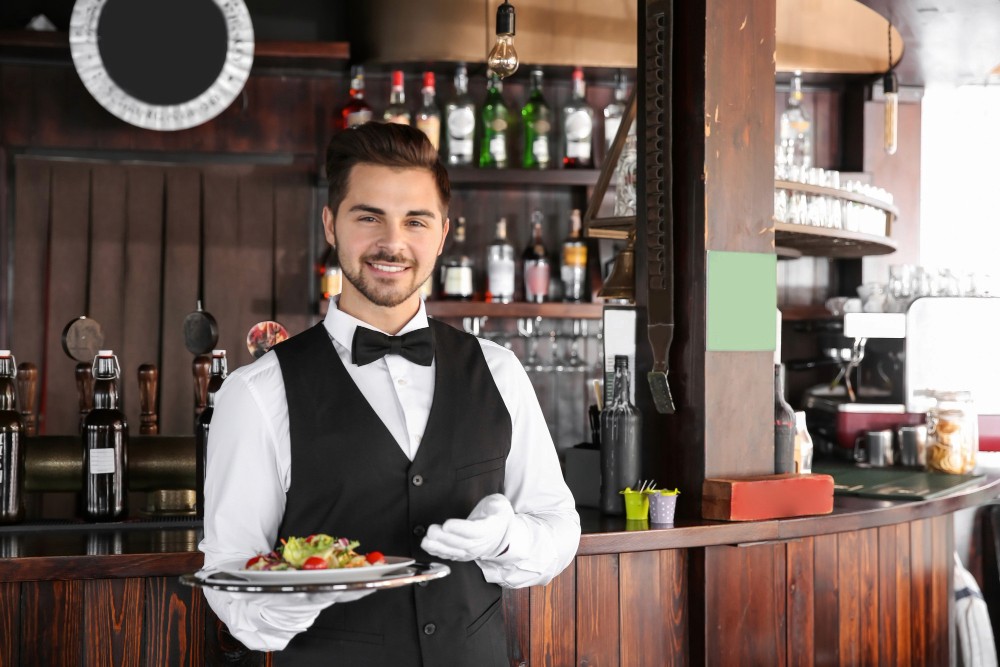
- Service quality: The attentiveness, confidence, and consistency of your front-of-house team. Guests expect polished service that feels natural, not rehearsed.
- Timing and flow: The pacing of the meal, including wait times between courses and the overall rhythm of the evening. Proper flow ensures guests feel relaxed rather than rushed or stalled.
- Personalization: How well guest preferences, dietary requirements, and special occasions are remembered and acted upon across visits.
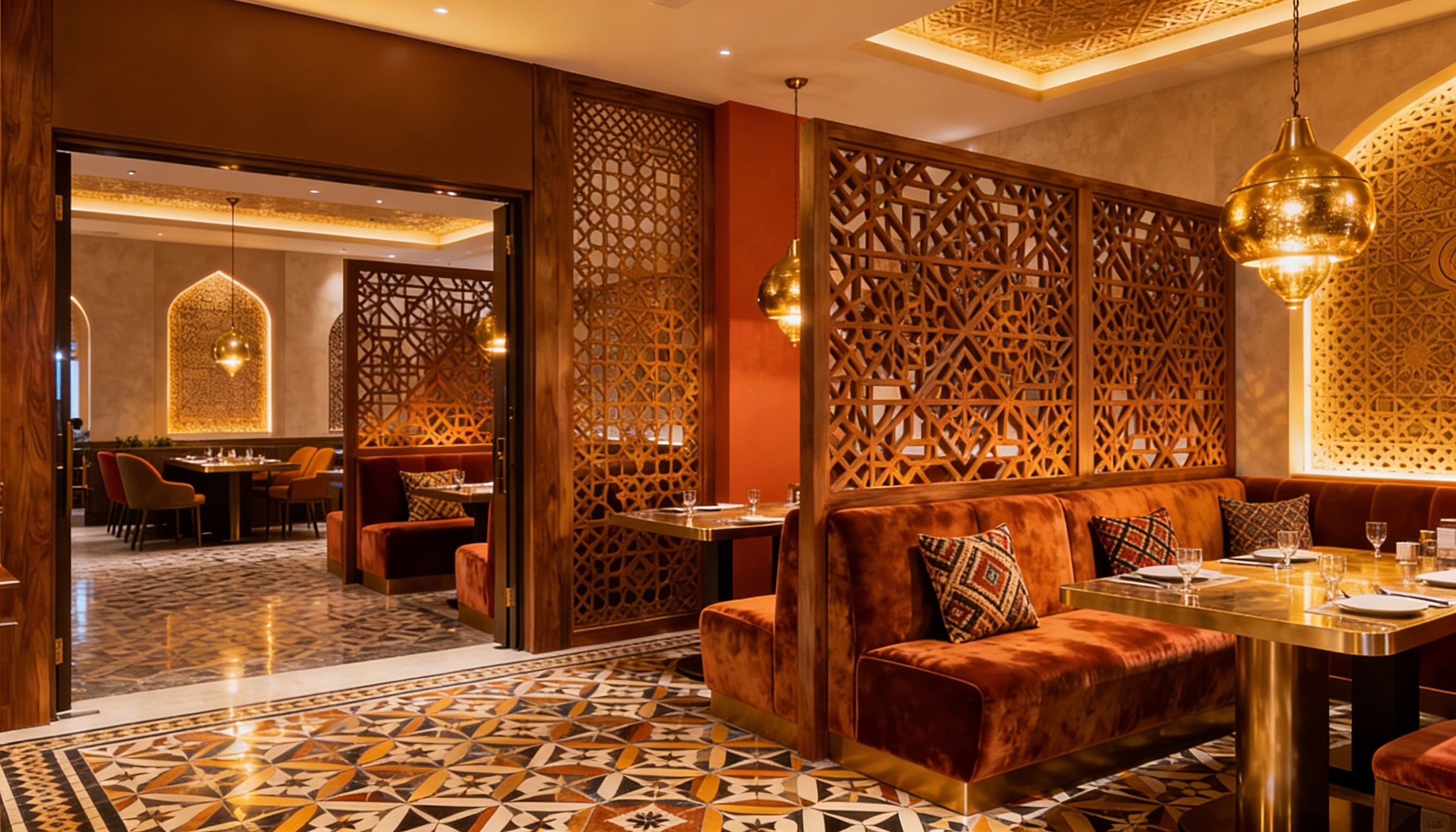
- Atmosphere: The physical and emotional environment, including lighting, comfort, acoustics, and the overall sense of occasion.
- Operational ease: How seamless the experience feels from booking to seating to payment. Smooth operations reduce friction and allow hospitality to take center stage.
The 5 Stages of the Guest Cycle in Hospitality
Every interaction a guest has with your restaurant, from first discovery to deciding whether to return, shapes their overall perception of your brand. These interactions, known as touchpoints, collectively form the restaurant guest journey.
In fine dining, where expectations are high, managing each touchpoint intentionally is essential to delivering a seamless experience and building long-term loyalty.
The five core stages of the guest cycle are:
1. Discovery: The guest’s first exposure to your restaurant, whether through online search, social media, word-of-mouth, or a restaurant booking channel.
2. Booking: The first transactional touchpoint, where guests evaluate your reliability through the reservation process and confirmation experience.
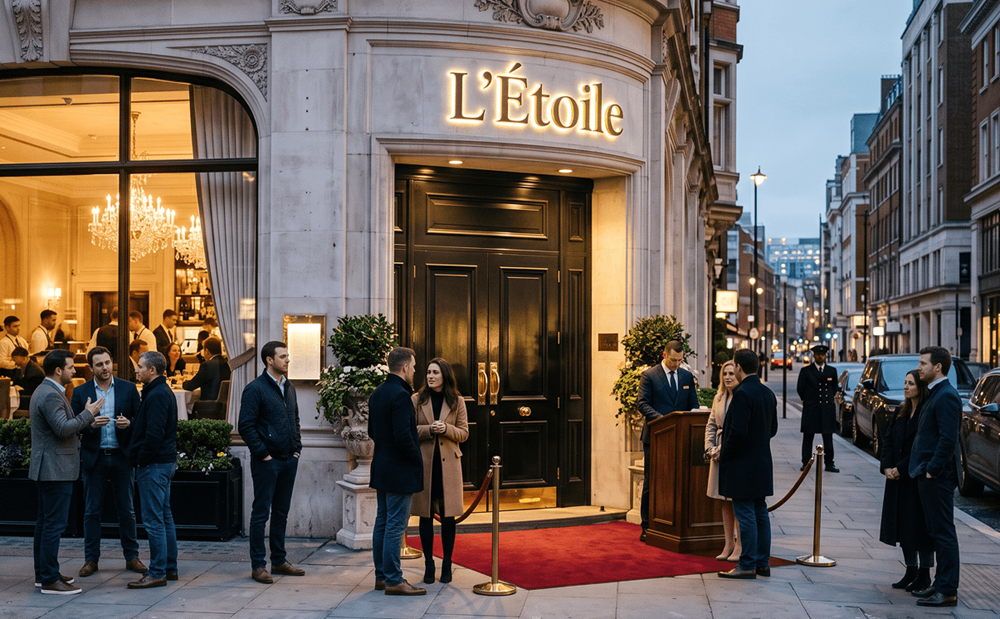
3. Arrival and seating: The physical welcome, from greeting at the door to being seated comfortably, which sets the tone for the entire visit.
4. Dining experience: The heart of fine dining, encompassing service pacing, personalization, coordination between teams, and overall ambiance.
5. Post-visit engagement: The continuation of the journey after the meal, including follow-up messages, feedback collection, and retention efforts that turn first-time diners into regulars.
Why Improving the Guest Experience Matters in Fine Dining Restaurants?
In fine dining, guest experience directly influences loyalty, revenue, and long-term brand perception. When expectations are high, consistency and attention to detail become commercial advantages, not just service ideals.
Building loyalty and retention
Fine dining guests don’t return out of habit. They return because the experience felt personal and memorable.
When a restaurant consistently remembers preferences, handles special occasions thoughtfully, and delivers a smooth experience from start to finish, guests are far more likely to come back, and recommend your restaurant to others.
Boosting sales and revenue
A great guest experience is a proven strategy to increase restaurant sales. It naturally increases guest spend without aggressive upselling.
When guests feel comfortable and well cared for, they’re more receptive to wine pairings, tasting menus, and chef recommendations.
Trust in the experience makes premium choices feel effortless, not pressured.
Standing out in a crowded market
In a segment where food quality is often comparable, experience becomes the true differentiator. Restaurants that consistently deliver refined, seamless experiences stand out, not just in reviews, but in reputation.
Over time, this advantage is harder for competitors to copy, unlike menus or pricing.
What Does a Great Guest Experience Look Like in Fine Dining?
An exceptional guest experience feels effortless. Beginning with a smooth reservation process to a warm welcome. Every interaction feels intentional without being intrusive.
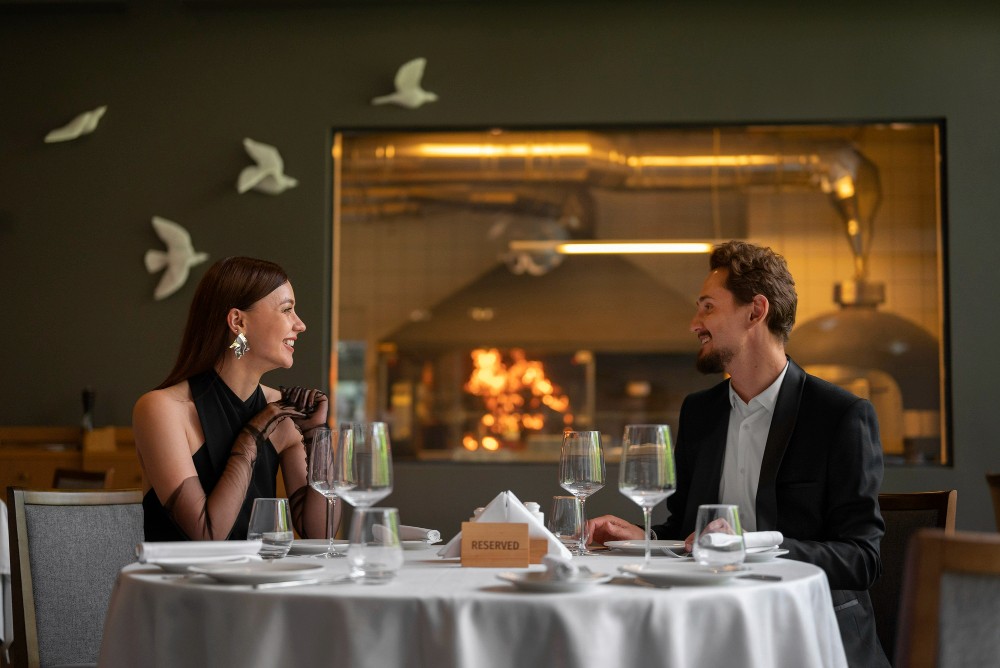
Guests are guided through the evening with a sense of calm and flow. Service is attentive but never rushed, personalized without overstepping, and consistent from course to course.
Restaurant staff remember guest preferences, allergens, and favorite dishes, timing feels natural, and any issues are resolved quietly before they become noticeable.
Most importantly, anticipation replaces reaction. The team seems one step ahead, adjusting pace, recommendations, and service based on subtle cues.
By the time guests leave, the experience feels like rhythm coming to an end. That sense of consistency and ease is what turns a great meal into a lasting memory.
How to Improve Guest Experience in a Fine Dining Restaurant?
Improving the guest experience in a fine dining restaurant means aligning people, processes, and technology to deliver a seamless experience. Every time.
Below are the areas with the greatest impact on guest satisfaction and commercial performance.
Use restaurant technology to support hospitality
Behind every seamless fine dining experience is strong operational coordination. Reservation and table management systems help control demand, pacing, and seating, while advanced POS reporting provides insight into guest behavior, peak hours, and table performance.
Outcome: Higher table utilization during peak hours, improved RevPASH, faster onboarding for new front-of-house staff.
Ensure a seamless booking experience
The guest experience begins with the reservation. A smooth booking flow, clear confirmations, and captured preferences build confidence and reduce friction before the guest arrives.
Outcome: Reduced no-shows, stronger first impressions, increased visit frequency among top guests.
Use waitlists to manage busy periods gracefully
In high-demand fine dining venues, waitlists help manage expectations without creating stress at the door. Digital waitlists replace uncertainty with structure, keeping arrivals calm and controlled even on fully booked nights.
Outcome: Improved table flow, stronger reviews, increased word-of-mouth referrals.
Train and empower your FOH team
Exceptional service comes from confident teams. When staff have access to guest information and clear service guidelines, they can resolve issues quickly and deliver consistent hospitality without escalation.
Outcome: Faster staff onboarding, more consistent service quality, stronger guest trust.
Collect and act on guest feedback
Fine dining guests often prefer private feedback over public complaints. Automated post-visit surveys help identify issues early and improve future experiences before problems appear in reviews.
Outcome: Better reviews, higher repeat visits, stronger long-term loyalty.
Maintain service flow and pacing
Service pacing is a defining element of fine dining. Coordinated course timing and clear FOH-kitchen communication keep the experience immersive and unhurried.
Outcome: Increased average spend, improved RevPASH, higher guest satisfaction.
Boost retention with personalization
Personalization should feel natural, not scripted. Remembering preferences, occasions, and seating habits helps guests feel recognized across visits.
Outcome: Increased visit frequency among top guests, stronger word-of-mouth referrals.
Make payment effortless and discreet
The final moments of the experience matter. Discreet or tableside payments allow guests to leave smoothly without breaking the atmosphere of the evening.
Outcome: Faster table turnover, stronger final impressions, higher overall satisfaction.
Wrapping It Up
In the competitive world of fine dining, an exceptional guest experience is the true differentiator.
It’s not left to chance, but carefully orchestrated using a harmonious blend of empowered staff, refined processes, and the right restaurant tech stack.
By focusing on key areas like seamless booking, personalized service, and effortless payment, you turn a great meal into a lasting memory and a single visit into lifelong loyalty.